How to Prepare Your Staatsburg Home for a Mold Remediation Project
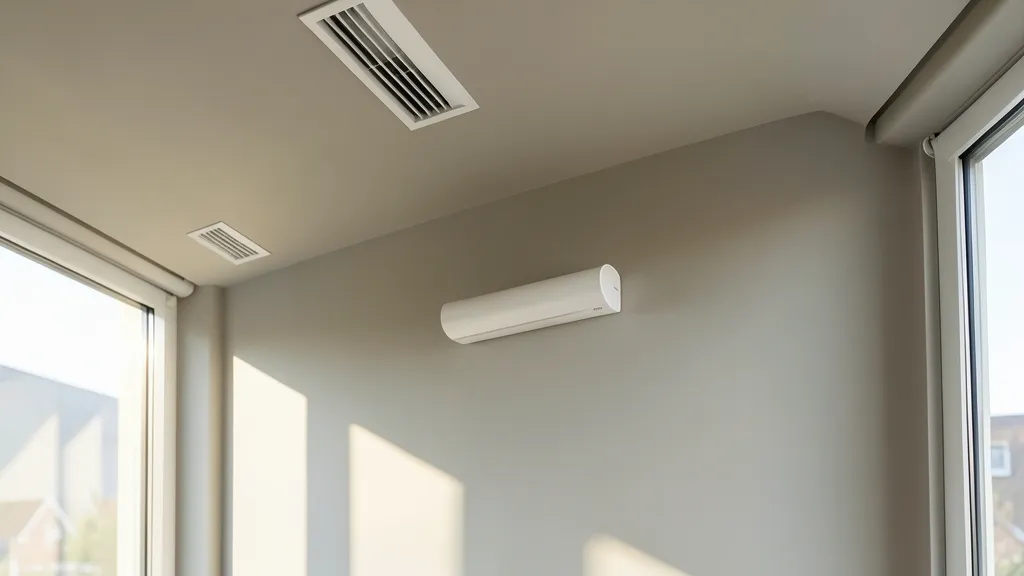
Preparing your home for mold remediation isn’t just about clearing space—it’s about ensuring safety, efficiency, and long-term results. Our team knows the Hudson Valley’s damp seasons and older homes can hide mold in attics, basements, and crawl spaces. Proper prep minimizes disruption and maximizes the effectiveness of the remediation process.
Why Preparation Matters in Mold Remediation
Mold spores spread easily when disturbed. Without proper prep, remediation can unintentionally contaminate clean areas of your home.
In Staatsburg’s humid summers and wet springs, hidden moisture in basements or attics can worsen if not addressed before remediation begins.
Preparation also protects your belongings and ensures our team can work efficiently, reducing the time your home is under containment.
Never attempt to scrub or bleach mold yourself before professional remediation. This can release spores into the air and worsen contamination.
Step 1: Identify and Isolate Affected Areas
Before remediation, a thorough mold inspection and testing should pinpoint the extent of the problem. We often find mold in basements, crawl spaces, and behind walls in older Staatsburg homes.
Isolate the area by sealing it off with plastic sheeting and tape. This containment prevents spores from spreading to unaffected parts of your home during the process.
Step 2: Clear the Work Zone
Remove all furniture, decor, and personal items from the affected area. Porous materials like carpets, upholstery, and cardboard may need to be discarded if contaminated.
For non-porous items, we can often clean and salvage them. Store these in a clean, sealed area away from the work zone.
| Material Type | Can Be Cleaned? | Typical Action |
|---|---|---|
| Porous (e.g., drywall, carpet, fabric) | No | Remove and replace |
| Semi-Porous (e.g., wood, concrete) | Sometimes | Case-by-case; may require sanding or sealing |
| Non-Porous (e.g., glass, metal, plastic) | Yes | Clean with HEPA vacuum and antimicrobial solutions |
Step 3: Turn Off HVAC and Seal Vents
Mold spores can travel through your HVAC system, spreading contamination to other rooms. Turn off the system and seal all vents in the work area.
This step is critical in multi-level homes common in Rhinebeck and Hyde Park, where spores can easily move between floors.
Step 4: Address Moisture Sources
Mold thrives in damp environments. Fix leaks, improve drainage, or install a dehumidifier before remediation begins. Otherwise, mold will return.
In Staatsburg’s older homes, we often address moisture in crawl spaces and basements with vapor barriers or sump pumps.
After remediation, maintain indoor humidity below 50% and inspect pipes, roofs, and foundations regularly for leaks.
What to Expect During Remediation
Our team uses HEPA air scrubbers and negative air pressure to contain spores. We’ll wear full PPE to protect both your home and our crew.
Remediation timelines vary. A small attic job may take a day, while extensive basement or crawl space mold could require several days of work.
Post-Remediation: Air Quality Testing and Prevention
After remediation, air quality testing confirms that spore levels are safe. This step is especially important in homes near Rhinecliff or Poughkeepsie, where river proximity can increase humidity.
We’ll also provide recommendations for ongoing moisture control, such as improving ventilation or installing a dehumidifier in problem areas.
Common Mistakes to Avoid
Ignoring hidden mold in walls or under flooring can lead to recurring problems. Always trust a professional mold inspection to uncover the full extent.
Using bleach on moldy surfaces is ineffective for porous materials and can mask the problem without solving it.
Pre-Remediation Checklist
- Schedule a professional mold inspection and testing
- Remove all items from the affected area
- Seal off the work zone with plastic sheeting
- Turn off HVAC and seal vents
- Address moisture sources (leaks, humidity, poor drainage)
- Arrange for pets and family to avoid the area during remediation
How to Prepare for Mold Remediation in 6 Steps
Follow these steps to ensure your home is ready for safe and effective mold remediation.
- 1Schedule a Mold Inspection
Hire a professional to assess the extent of mold growth and identify moisture sources. This step is critical for targeting remediation effectively.
- 2Clear the Affected Area
Remove all furniture, belongings, and porous materials. Non-porous items can be cleaned and stored safely.
- 3Seal Off the Work Zone
Use plastic sheeting and tape to create a containment barrier. This prevents spores from spreading during remediation.
- 4Turn Off HVAC and Seal Vents
Prevent spores from traveling through your heating and cooling system by shutting it down and sealing vents.
- 5Address Moisture Issues
Fix leaks, improve drainage, or install a dehumidifier to ensure mold doesn’t return after remediation.
- 6Plan for Post-Remediation Testing
Schedule air quality testing to confirm that spore levels are safe and the remediation was successful.
Frequently Asked Questions
How long does mold remediation take in a typical Staatsburg home?
The duration depends on the size and severity of the infestation. Small projects, like attic mold, may take 24-48 hours, while larger jobs in basements or crawl spaces can take 3-7 days. Request a quote for a precise estimate based on your home’s needs.
Do I need to leave my home during mold remediation?
It’s not always necessary, but we recommend relocating pets and vulnerable individuals, such as those with respiratory issues. Containment barriers and air scrubbers minimize exposure, but safety is our top priority.
Can mold come back after remediation?
Yes, if the underlying moisture issue isn’t addressed. Mold remediation removes existing mold, but without fixing leaks or controlling humidity, new growth can occur. We provide moisture control solutions to prevent recurrence.
Is mold remediation covered by homeowners insurance?
Coverage varies by policy and the cause of the mold. If mold results from a covered peril, like a burst pipe, your insurance may pay for remediation. Review your policy or consult your provider to understand your coverage.
What’s the difference between mold testing and mold inspection?
Mold inspection is a visual and physical assessment to locate mold and identify moisture sources. Mold testing involves collecting air or surface samples to measure spore levels and determine the type of mold present. Both are often needed for a comprehensive evaluation.
Do you serve areas near Staatsburg, like Hyde Park or Rhinebeck?
Yes, our team provides mold remediation, inspection, and testing services across the Hudson Valley, including Hyde Park, Rhinebeck, Rhinecliff, and Poughkeepsie. Local expertise matters, especially in older homes common to this region.