Stop Mold from Coming Back in Your Staatsburg Home with Smart Ventilation
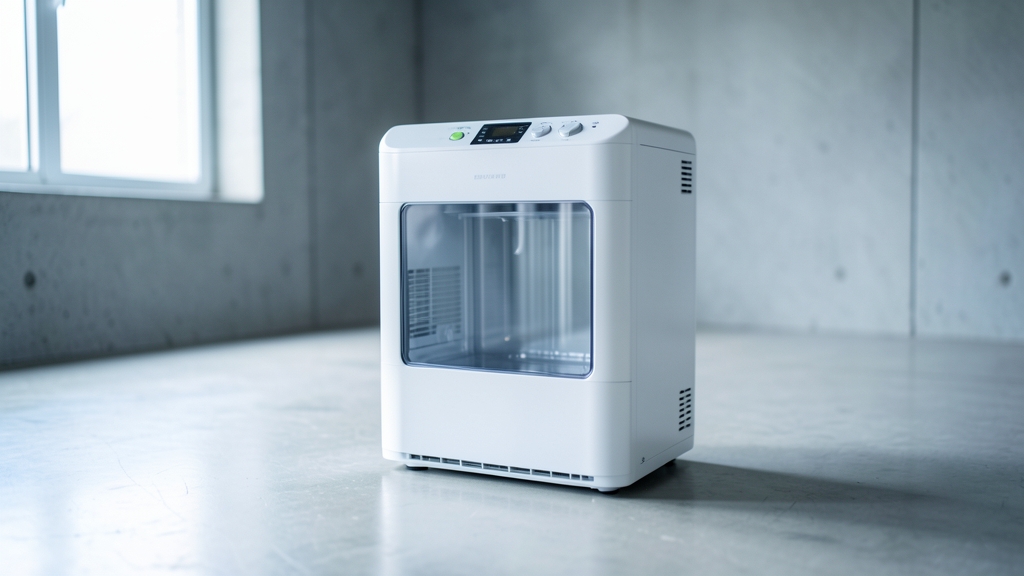
Mold doesn’t just disappear after remediation—without the right airflow, spores linger and regrow. We’ve seen it in basements from Hyde Park to Rhinecliff: poor ventilation turns a clean space back into a problem zone. Proper air movement and moisture control are your best defense against recurrence.
Why Mold Keeps Returning After Remediation
Mold spores are microscopic and ever-present, even after professional removal. If moisture and poor airflow persist, they reactivate within 24–48 hours.
In our climate, seasonal humidity spikes—especially in summer and fall—create ideal conditions. Without ventilation, basements and attics become breeding grounds.
The Role of Ventilation in Mold Prevention
Ventilation dilutes indoor humidity and removes stale air where spores thrive. Exhaust fans, open windows, and mechanical systems all help, but consistency matters most.
In crawl spaces and basements, passive vents often aren’t enough. Active airflow—via fans or dehumidifiers—prevents the stagnation that leads to regrowth.
Run bathroom and kitchen exhaust fans for 20–30 minutes after use. This small habit drastically reduces moisture buildup in high-risk areas.
Ventilation Solutions for Different Home Areas
Basements and crawl spaces need dedicated systems. Encapsulation with a vapor barrier plus a dehumidifier works best in these damp, low-airflow zones.
Attics require soffit and ridge vents to promote natural airflow. Blocked vents trap heat and moisture, accelerating mold growth on wood and insulation.
Living spaces benefit from whole-house fans or ERVs (energy recovery ventilators), which exchange stale indoor air with fresh outdoor air without major energy loss.
| Area | Recommended Ventilation | Key Benefit |
|---|---|---|
| Basement | Dehumidifier + Exhaust Fan | Removes moisture from concrete and air |
| Crawl Space | Encapsulation + Vapor Barrier | Blocks ground moisture and improves airflow |
| Attic | Soffit & Ridge Vents | Prevents condensation on rafters and insulation |
| Bathroom | Exhaust Fan (110 CFM+) | Rapidly expels humid air after showers |
| Kitchen | Range Hood (Ducted) | Captures steam and grease before it spreads |
Common Ventilation Mistakes That Encourage Mold
Closing off rooms entirely cuts off airflow, creating dead zones where humidity builds. Even unused spaces need occasional air exchange.
Relying solely on air conditioning for dehumidification can backfire. ACs cool but don’t always reduce humidity enough, especially in older homes near Rhinebeck or Poughkeepsie.
Never vent bathroom or dryer exhaust into attics or crawl spaces. This dumps moisture directly into areas prone to mold.
Moisture Control: The Other Half of the Equation
Ventilation alone can’t win the fight. You must also control water intrusion and condensation. Fix leaks, grade soil away from foundations, and insulate cold surfaces to prevent sweat.
In basements, a sump pump and interior French drain system can prevent standing water. For attics, proper insulation and vapor barriers stop warm, moist air from condensing on cold surfaces.
When to Call in the Pros for Ventilation Upgrades
If you notice musty odors, visible mold, or persistent humidity above 60%, your ventilation may be inadequate. We often find hidden issues in ductwork or blocked vents during inspections.
Commercial properties or large homes in areas like Hyde Park may require custom HVAC solutions. Improperly sized systems can worsen humidity problems.
Signs You Need a Ventilation Assessment
- Condensation on windows or walls
- Peeling paint or wallpaper
- Musty odors in basements or attics
- Recurring mold after remediation
- High humidity readings (above 55%)
Long-Term Mold Prevention: Maintenance Checklist
Preventing regrowth is an ongoing process. Regularly inspect for leaks, clean gutters, and ensure downspouts direct water at least 5 feet from your home.
Service your HVAC system annually, including duct cleaning if mold has been an issue. Replace filters every 1–3 months to maintain airflow and indoor air quality.
How to Improve Ventilation to Prevent Mold Regrowth
Follow these steps to create an environment where mold can’t take hold again.
- 1Identify Problem Areas
Use a moisture meter to check humidity levels in basements, attics, and crawl spaces. Look for water stains, peeling paint, or musty smells.
- 2Increase Airflow
Install exhaust fans in bathrooms and kitchens. Open windows when weather permits, and use fans to circulate air in stagnant areas.
- 3Add Mechanical Ventilation
For basements or crawl spaces, add a dehumidifier or energy-recovery ventilator. Ensure attics have proper soffit and ridge vents.
- 4Seal and Insulate
Seal gaps around windows, doors, and foundations to prevent moisture intrusion. Insulate cold surfaces to reduce condensation.
- 5Monitor and Maintain
Check humidity levels weekly with a hygrometer. Clean and service ventilation systems regularly to ensure optimal performance.
Frequently Asked Questions
How do I know if my Staatsburg home has a ventilation problem?
Signs include persistent musty odors, condensation on windows or walls, and mold returning after remediation. High humidity (above 55%) is another red flag. A professional mold inspection can confirm ventilation issues.
Can I prevent mold regrowth without professional help?
For minor issues, improving airflow with fans, dehumidifiers, and proper maintenance can help. However, if mold keeps returning or you have large affected areas, professional remediation and ventilation upgrades are often necessary.
What’s a good dehumidifier for a damp basement in the Hudson Valley?
Look for a unit with at least 50-pint capacity for basements up to 2,000 sq. ft. Features like auto-defrost, continuous drainage, and built-in hygrometers are ideal for our humid climate. Request a quote to discuss options tailored to your space.
Does ventilation help with existing mold, or just prevention?
Ventilation alone won’t remove active mold—it must be remediated first. However, improving airflow during and after remediation helps dry the area and prevents spores from settling and regrowing.
Are there ventilation solutions for older homes in Rhinebeck or Staatsburg?
Yes. Older homes often lack modern ventilation but can be retrofitted with exhaust fans, ductwork, or whole-house systems. We frequently upgrade ventilation in historic properties while preserving their character.
How often should I run my dehumidifier to prevent mold?
In humid months, run it continuously if your basement or crawl space humidity exceeds 50%. In drier seasons, use it as needed based on moisture readings. Empty the tank regularly or opt for a model with a drain hose.